
Size to the piece and the wrap
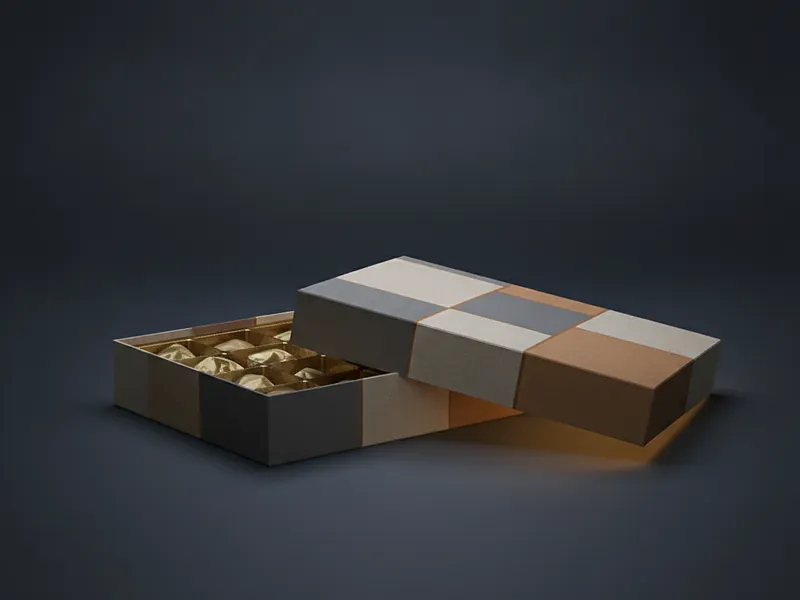
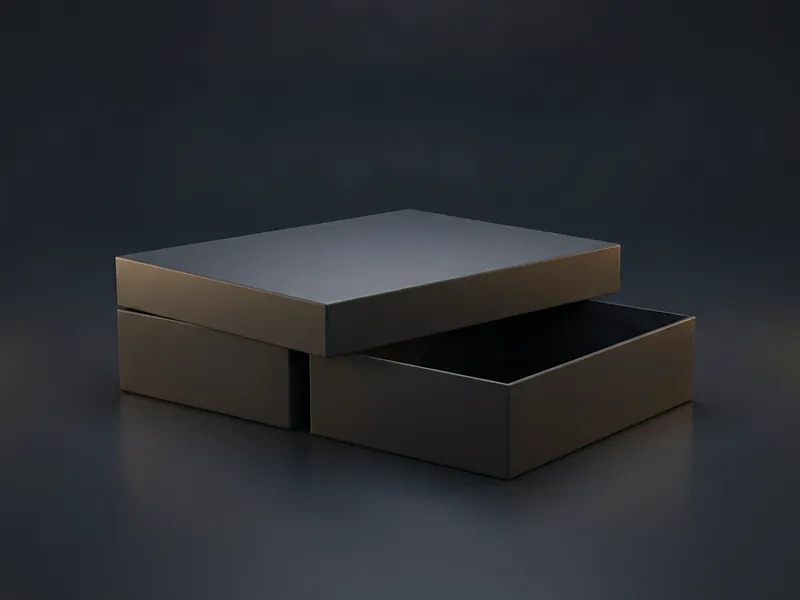
For bars, measure the wrapped bar, not the mold: a 2 ounce bar usually fits a 3 by 0.4 by 6 inch carton and a 4 ounce bar 3.25 by 0.5 by 7. For pieces, send the diameter and height of the largest piece and the count; the tray cavities are drawn around them on the dieline.
Food contact and the tray
Chocolate touches the tray, so the tray is cut from food-contact board, and the documentation is supplied with the quote. Inserts with velvet flocking are not for food contact; keep those for jewelry. A cavity tray also stops pieces scuffing each other, which matters more for glossy tempered chocolate than any finish on the outside.
Finishes that sell chocolate
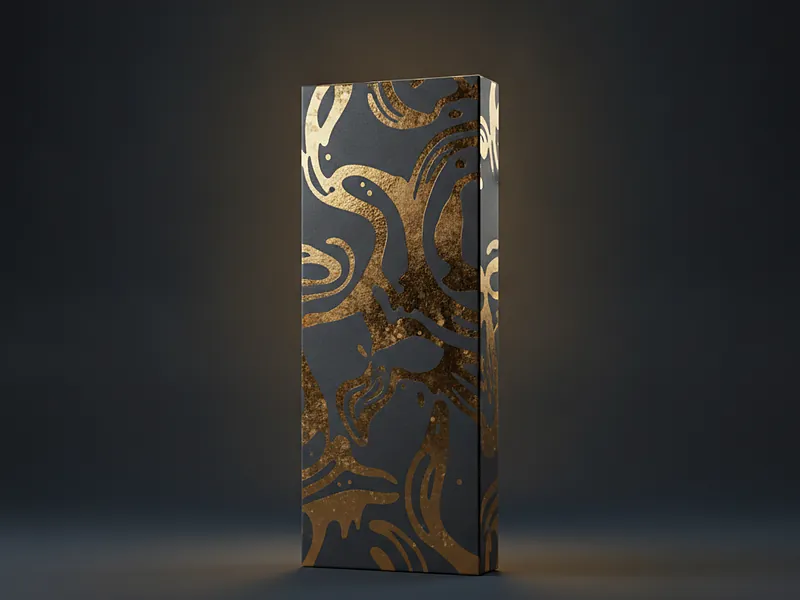
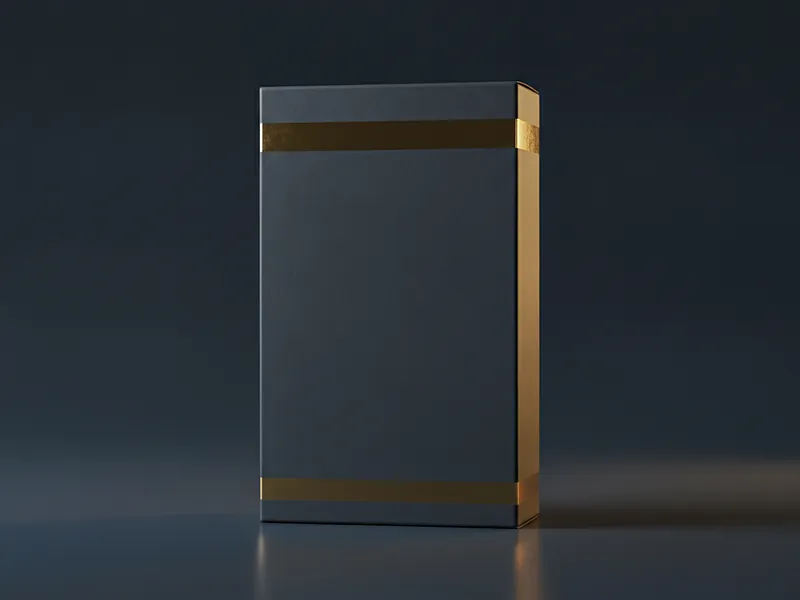
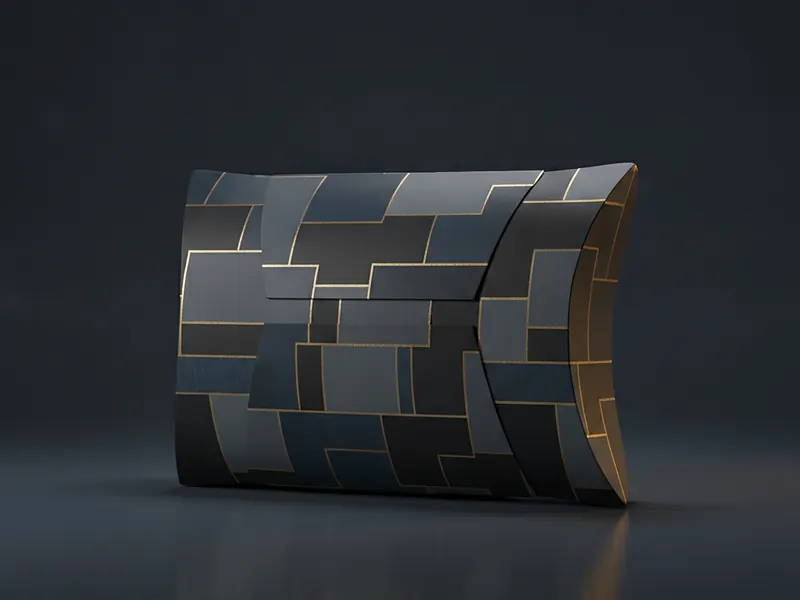
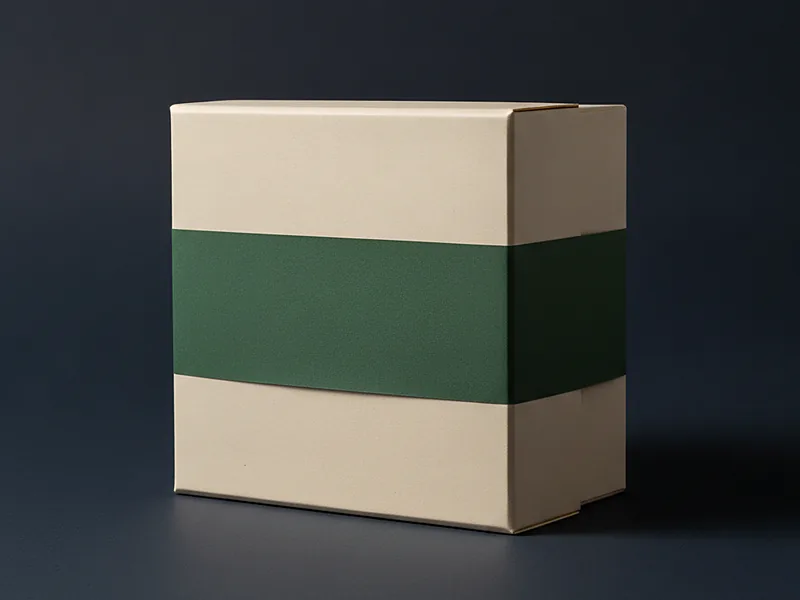
Gloss lamination makes product photography look rich. Matte or soft-touch with a single gold foil mark reads as a chocolatier rather than a candy bar. Bars often run as an open sleeve over a foil wrap, which keeps the carton simple.
Labeling notes
Nutrition, ingredient and allergen panels are set by FDA food labeling rules, and space for them is easier to plan on the dieline than after the art is finished. Our FDA nutrition facts label guide explains the panel and links the regulation.
This is packaging guidance, not legal advice.